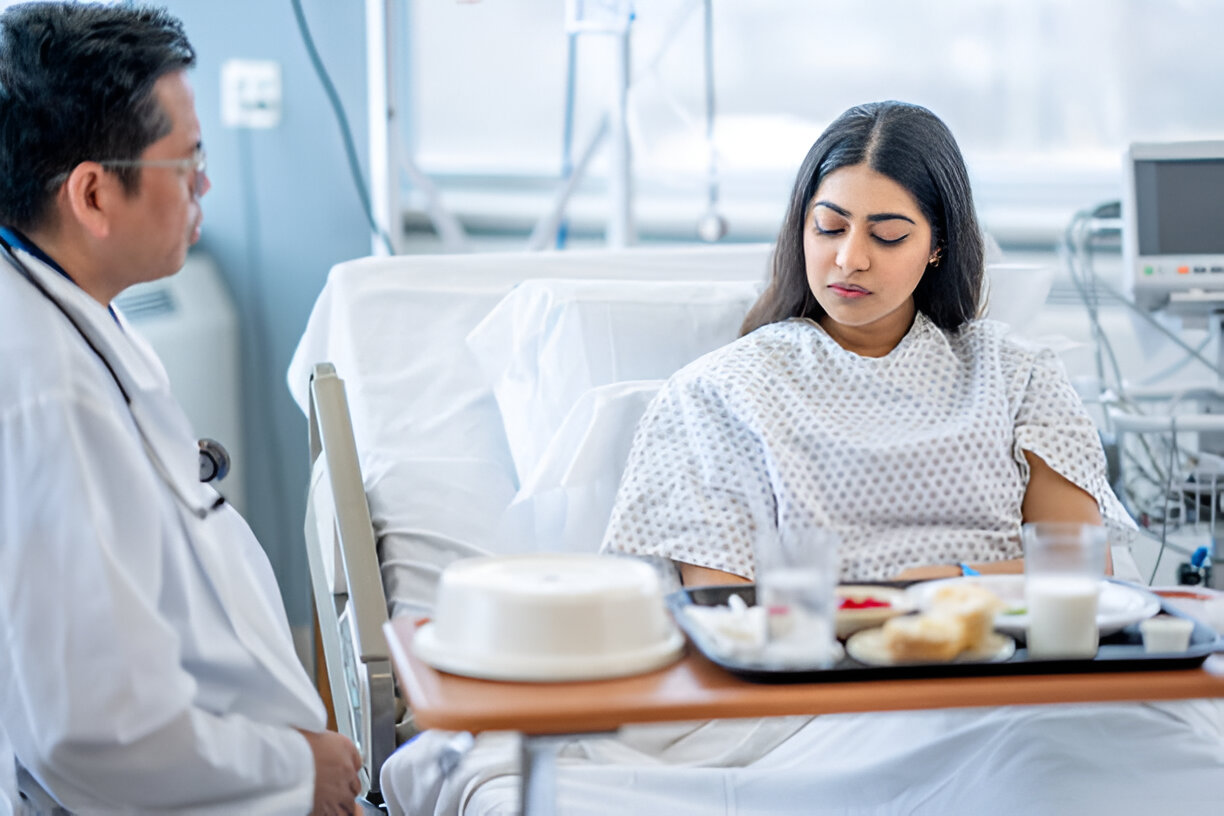
Laparoscopic surgery, often called minimally invasive surgery, is known for faster recovery and less postoperative discomfort compared to traditional open surgery. However, what you eat after surgery plays a vital role in how quickly and smoothly you heal. A carefully planned diet can help reduce bloating, prevent constipation, and promote tissue repair.Here’s a simple and practical guide on what to eat after laparoscopic surgery.
After laparoscopic procedures—such as gallbladder removal, hernia repair, or appendectomy—your digestive system may temporarily slow down due to anesthesia, pain medications, or reduced physical activity. Eating the wrong foods can lead to gas, indigestion, or constipation, all of which delay healing and cause discomfort.
In the immediate recovery phase, your stomach needs time to adjust. Stick to a light, easily digestible diet such as:
Avoid spicy, oily, or high-fiber foods during this time, as they may upset your stomach or cause gas.
As your appetite improves, start adding soft, low-fat, and protein-rich foods:
About 4–7 days post-surgery (as advised by your doctor), you can gradually return to a regular balanced diet. Focus on:
Support tissue repair and muscle recovery. Include:
Give you energy and aid digestion:
Rich in vitamins and fiber:
(Avoid raw veggies initially)
Drink 8–10 glasses of water daily to prevent constipation and flush out toxins.
This stage helps your body get the nutrients it needs for healing without overloading the digestive system.
Everyone’s recovery is different. Some may tolerate normal food within a couple of days, while others may need a longer adjustment period. Watch for signs of bloating, nausea, or pain after meals and consult your doctor if these persist.
Eating right after laparoscopic surgery can accelerate your healing and make recovery much smoother. Start light, reintroduce soft foods slowly, and gradually return to a balanced diet. Always follow your surgeon's advice and listen to your body's cues. With the right diet, you're not just eating, you’re healing.