
Discovering that you have a hernia can feel overwhelming. You may notice discomfort, a visible bulge, or even pain when coughing or lifting. The good news is that medical advancements have made hernia repair safer, quicker, and less invasive than ever. One of the most effective options today is laparoscopic hernia surgery. But what exactly is it—and is it right for you? Let’s break it down in simple terms.
A hernia occurs when an internal part of the body—usually a portion of the intestine—pushes through a weak spot in the surrounding muscle or tissue wall. The most common types include:
While some hernias might not be painful at first, they do not heal on their own and can worsen over time.
Traditional (Open) Surgery: Involves a larger incision through which the surgeon pushes the bulging tissue back and strengthens the muscle wall. This method is effective but often requires a longer recovery time and may leave a larger scar.
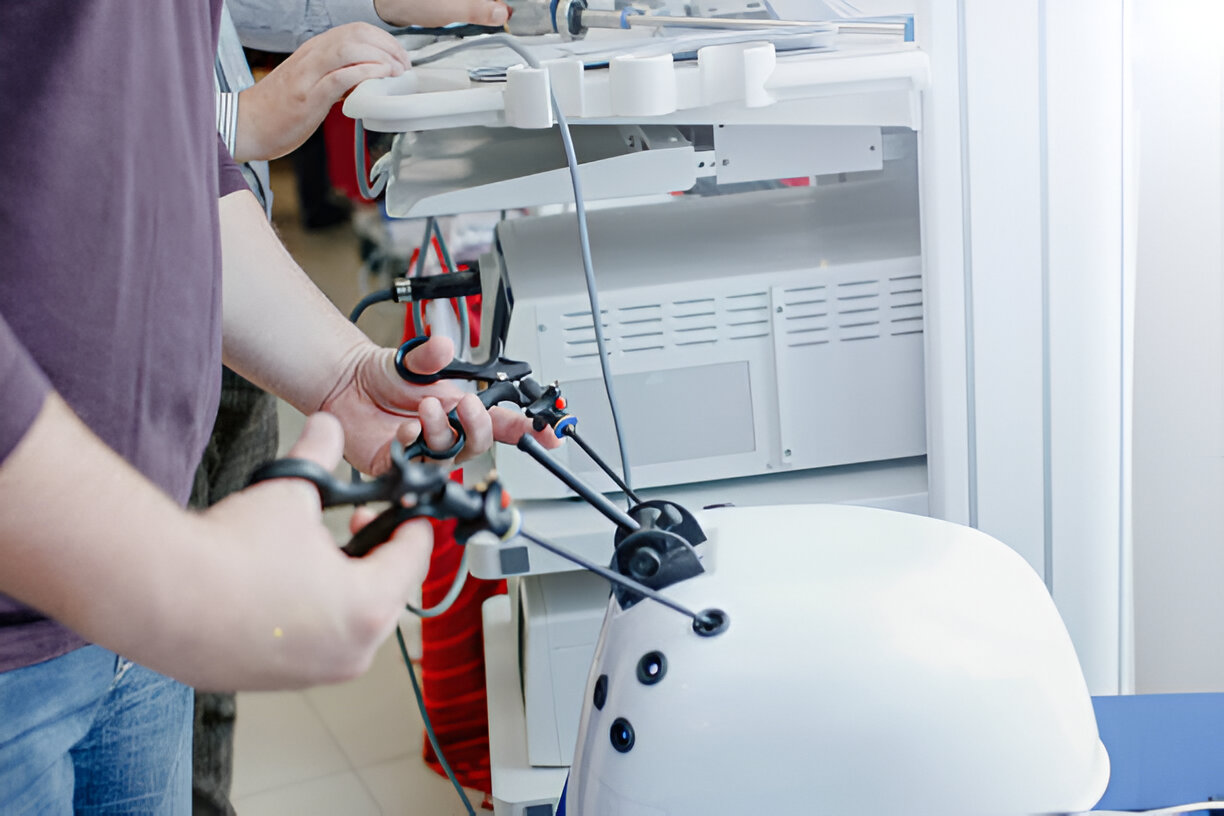
Laparoscopic (Minimally Invasive) Surgery: Uses 3–4 small cuts (usually less than an inch each). Through these, a tiny camera called a laparoscope and specialized tools are inserted to repair the hernia from the inside. Surgeons often place a mesh to reinforce the area and reduce the risk of the hernia coming back.
Laparoscopic hernia surgery is typically performed under general anesthesia, so you’ll be asleep and feel no pain during the procedure. The surgery usually takes about 1–2 hours. Most patients return home the same day or after a brief hospital stay.
During surgery, your abdomen is gently inflated with gas to allow better visibility. The surgeon repairs the hernia using the camera and tools inserted through the small cuts. Once finished, the gas is released and the cuts are closed with a few stitches.
While laparoscopic surgery offers many advantages, it may not be suitable for everyone. Factors like the size and type of hernia, your overall health, and whether you’ve had previous abdominal surgeries play an important role. A detailed evaluation by a qualified surgeon is essential to decide the best approach for you.
Living with a hernia can impact your quality of life—but it doesn’t mean you have to keep suffering. Laparoscopic hernia repair is a modern, safe, and effective treatment that has helped thousands regain comfort and mobility. If you think you have a hernia or have been diagnosed with one, consult an experienced laparoscopic surgeon. With proper guidance, your recovery could be quicker and easier than you imagine.