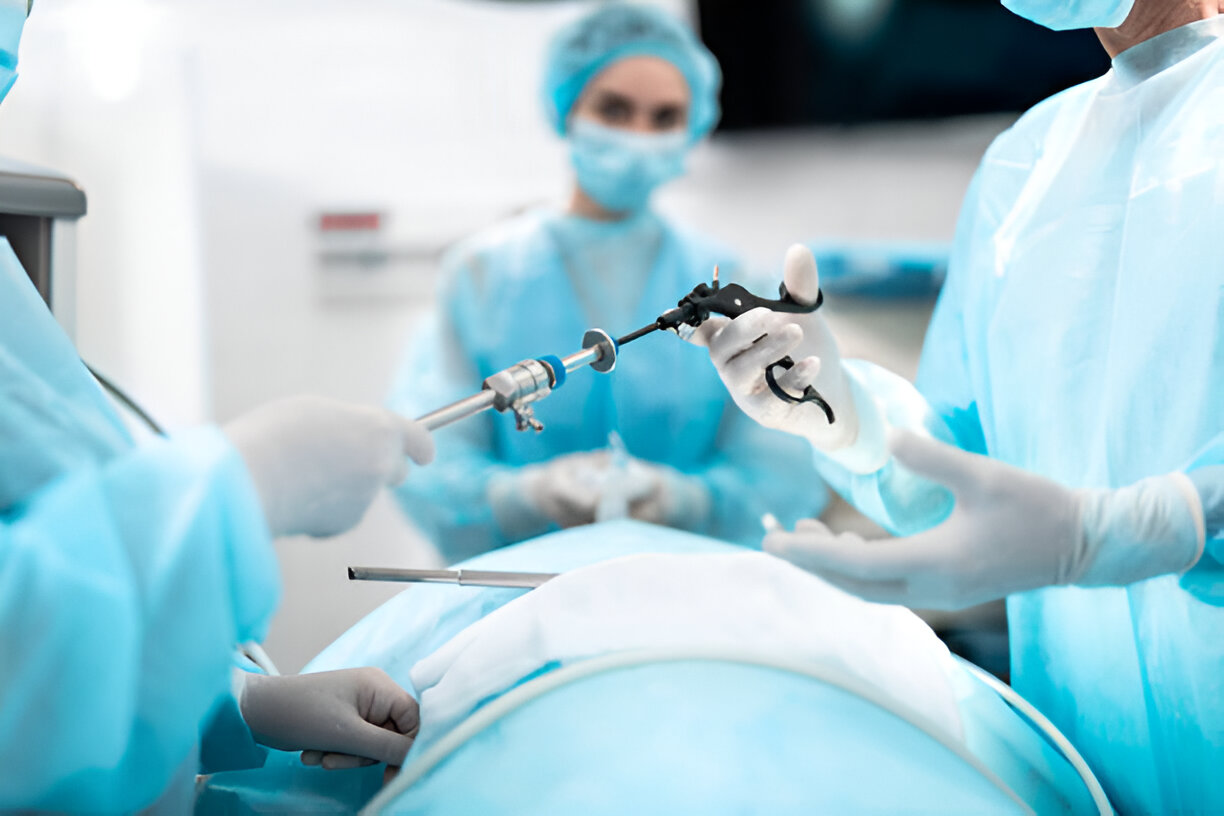
In the ever-evolving field of surgery, minimally invasive techniques like laparoscopic surgery have revolutionized patient care. Unlike traditional open surgery, minimally invasive surgery (MIS) is performed through small incisions using specialized instruments and a camera, offering patients quicker recovery and fewer complications. Whether it's gallbladder removal, hernia repair, or diagnostic procedures, MIS has become the preferred choice for surgeons and patients alike.
Here are the top 5 benefits of minimally invasive surgery you should know:
One of the most noticeable advantages of MIS is the use of small incisions, often just 0.5 to 1.5 cm, compared to the larger cuts made during open surgery. These tiny openings are cosmetically better and reduce trauma to the skin and underlying tissues. As a result, patients experience minimal scarring, which is especially important for procedures involving visible areas of the body.
Since there is less cutting involved, post-operative pain is significantly reduced. Most patients report needing fewer painkillers and feel more comfortable within a day or two after the procedure. This is a huge relief for those who fear surgery due to the anticipated pain and discomfort associated with recovery.
Minimally invasive surgery dramatically shortens the recovery period. Many patients can return to their daily routine within a few days or weeks, depending on the type of procedure. This is especially beneficial for working individuals and caregivers who can’t afford long periods of downtime. In contrast, open surgeries may require longer hospital stays and extended periods of rest.
Smaller wounds are less prone to infections and other complications, such as hernias or blood loss. Laparoscopic procedures are usually done in a controlled, sterile environment, and the limited exposure of internal organs to external contaminants further reduces infection risks. This contributes to safer outcomes and better overall health post-surgery.
Minimally invasive surgery uses advanced technologies like high-definition cameras and fine instruments, allowing surgeons to view internal organs in great detail. This enhanced visualization leads to greater precision, especially in delicate procedures involving organs like the liver, intestines, or reproductive system. Improved accuracy means better surgical outcomes and fewer chances of errors.
Minimally invasive surgery is not just a medical trend, it's a patient-centric advancement that has transformed how we approach surgical care. With benefits like smaller scars, less pain, quicker recovery, lower infection risk, and better precision, it's no wonder more people are opting for laparoscopic and other minimally invasive techniques.
If you're considering surgery, consult Dr. Satyajit Rath, the best laparoscopic surgeon, to see if a minimally invasive approach is right for you. Your body will thank you.